


We use cookies to improve your online experiences. To learn more and choose your cookies options, please refer to our cookie policy.

26 August, 2026
Starting Small, Growing Big

The lunch boxes are being packed, uniforms are ready and a new school year is just around the corner. But when your child is only 18 months, 2, 3 or 4 years old, getting ready for school is about so much more than getting organised.
For many families in Kuwait, the summer brings a completely different rhythm. There may have been travel, long evenings with family, later bedtimes, slower mornings and plenty of time spent indoors escaping the heat. For some of our youngest children, September may also bring their very first experience of being away from home or their familiar caregivers.
That makes the beginning of an Early Years journey a big transition for little people.
The good news? Your child does not need to arrive at TSK knowing their ABCs, counting to 20 or writing their name. At this age, being ready for school is much more about feeling safe, secure, curious and increasingly confident without you.
Here are five simple things you can do at home to help.
1. Bring Back a Little Routine
Long summer evenings, travel and changes to family routines can easily shift young children's sleeping and eating patterns. Rather than waiting for the first school morning to change everything, begin bringing back some familiar structure now.
Gradually move bedtime and wake-up time closer to your school-day routine, with small, gradual adjustments each day. Try to return to regular breakfast and lunch times too and establish a routine (such as children sitting at the table to eat).
For young children, predictable routines provide more than organisation. They help children understand what is coming next, and that predictability creates a sense of security.
You might even begin practising the morning rhythm: wake up, breakfast at the table, get dressed, shoes on and out of the door.
2. Make TSK Part of the Conversation
Young children understand far more than we sometimes realise. In the days before school, begin talking naturally about TSK. Tell your child that they will see their teachers, play with other children, explore their classroom, sing songs, read stories and discover lots of new things.
For returning children, bring back happy memories:
“Do you remember playing outside at TSK?”
“I wonder if you'll see your friends?”
“What do you think will be in your new classroom?”
For children joining us for the first time, keep the message simple and reassuring. You do not need to repeatedly ask whether they are excited or tell them there is nothing to worry about. Instead, communicate quiet confidence:
“You are going to school. Your teachers will look after you, and I will come back.”
That simple message is incredibly powerful.
3. Let Them Have a Go
One of the most useful things you can practise before school has nothing to do with phonics or numbers.
Let your child have a go.
Let them try to hold their spoon at breakfast. Encourage them to drink from their own water bottle. Let them carry their little school bag. Practise washing hands together. Give them time to attempt their shoes. Encourage them to help tidy their toys away.
In busy family life, particularly when children have lots of loving adults around them, it can sometimes be quicker for us to do these things for them.
But those tiny opportunities for independence matter.
Of course, nobody at TSK expects an 18-month-old to manage all of these things independently! Our teachers are there to help, model and encourage.
What we want children to begin developing is something much more important:
“I can try.”
4. Practise Saying Goodbye
For many parents, this is the hardest part.
Some children joining TSK will already be comfortable spending time with grandparents, a nanny or other family members. For others, starting school may be their first regular separation from Mum or Dad.
If your child has had very little experience of separation, try introducing a few short, positive separations before school begins.
Then, when school starts, create a simple goodbye routine.
A cuddle. A kiss. A cheerful, confident goodbye.
“Have a lovely morning. I love you. I'll see you after school.”
Then allow our team to take over.
There may be tears. Tears at drop-off do not mean that your child isn't ready for school, that they dislike their teacher or that something has gone wrong. Separating from the people we love is a big developmental experience.
Some children run through the door on day one. Some take a few days or weeks to build that confidence.
At TSK, we don't expect every child to settle in the same way or at the same pace.
5. Forget the Worksheets. Play!
If you are wondering whether you should spend the final few days before school practising letters, numbers or pencil control, there is something much more valuable you can do.
Play together.
Build a tower and knock it down. Read the same favourite story for the tenth time. Sing nursery rhymes in the car. Make playdough. Draw. Dance. Kick a ball. Talk about what you see when you're out together.
And when the Kuwait heat keeps you indoors, everyday experiences can still become opportunities for exploration: helping to prepare fruit, building dens from cushions, looking through family photographs or simply sitting together with a pile of books.
These ordinary moments are full of learning.
Through play, young children develop language, physical skills, imagination, problem-solving, confidence and relationships. These are the foundations upon which later academic learning is built.
And Finally... Give Them Time
Starting Early Years is not one big moment on the first morning. Settling is a process.
Your child may come home exhausted after initially seeming full of energy. They might want more cuddles, become emotional over seemingly tiny things or temporarily need more reassurance at bedtime.
This is understandable. A new environment brings new people, sounds, routines, expectations and experiences, and young brains are processing an enormous amount.
Keep home predictable, give them plenty of connection and allow them time to adjust.
At TSK, our first priority isn't how many letters a child recognises or how high they can count.
It is that they begin to feel safe, known, valued and that they belong.
Because when a young child feels secure, something wonderful happens.
They begin to explore.
They begin to take risks.
They begin to form relationships.
And they begin to learn.
We can't wait to welcome our TSK children and families for another year of playing, exploring, discovering and growing together.
Related news
News image ![Why Parents Choose The Sunshine Kindergarten - Why Parents Choose The Sunshine Kindergarten]() Blog
Blog
 Blog
Blog Why Parents Choose The Sunshine Kindergarten
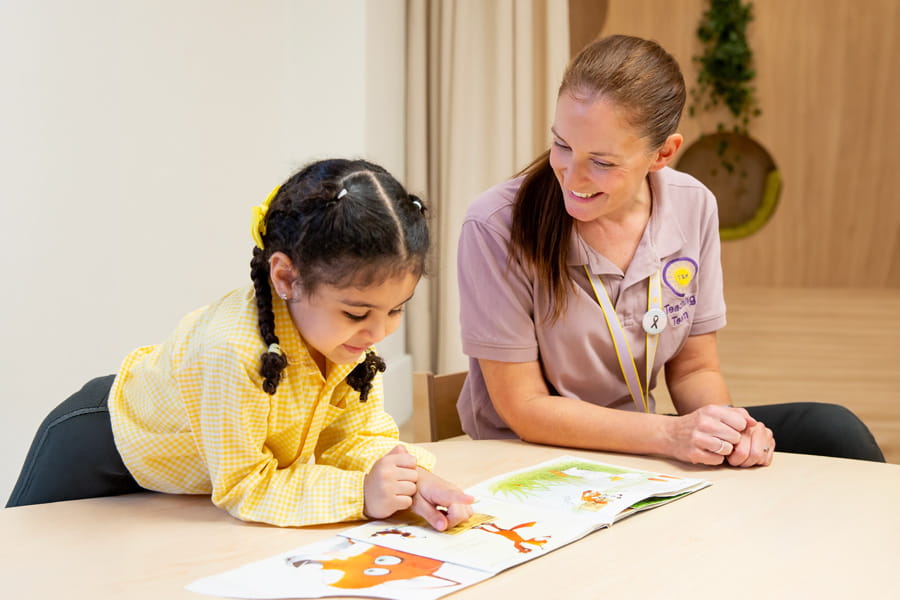
Choosing the right kindergarten is one of the most important decisions a parent makes. It is about more than academics, it is about finding a place where your child feels safe, confident, inspired and genuinely happy.
News image ![TSK Home Visits Bringing Learning Home]() Blog
Blog
 Blog
Blog TSK Home Visits | Bringing Learning Home
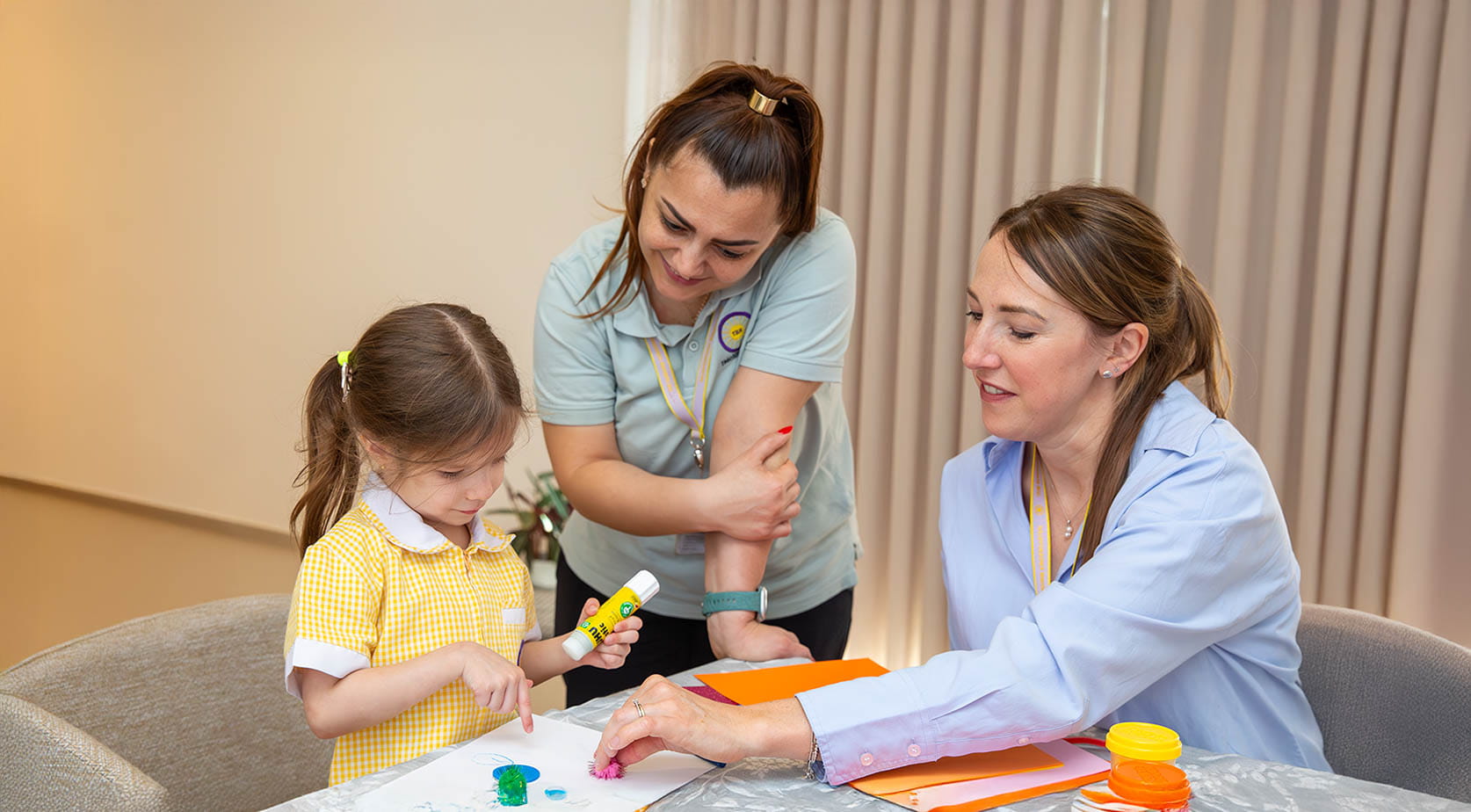
TSK proudly became the first kindergarten in Kuwait to introduce a formal Home Visits initiative, setting a new benchmark for family engagement and holistic development of young learners.
News image  Blog | Featured
 Blog | Featured
 Big Feelings, Clear Boundaries
Behaviour in the Early Years can be confusing and it’s one of the most common themes our parents ask us about. Young children are learning so much about the world around them and constantly soaking up information about what’s acceptable and what’s not.

