

We use cookies to improve your online experiences. To learn more and choose your cookies options, please refer to our cookie policy.

11 October, 2026
Big Feelings, Clear Boundaries
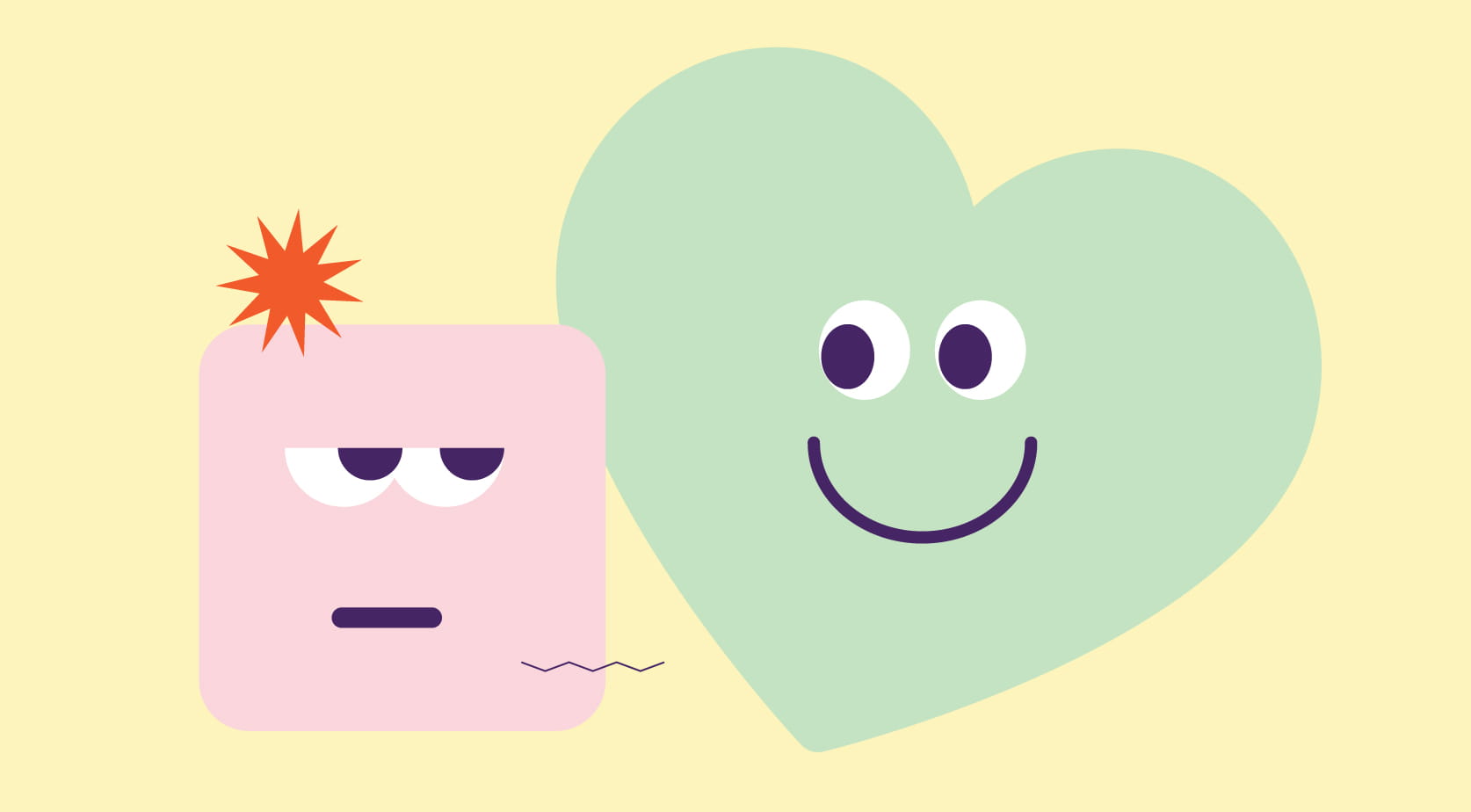
Behaviour in the Early Years can be confusing and it’s one of the most common themes our parents ask us about. Young children are learning so much about the world around them and constantly soaking up information about what’s acceptable and what’s not.
It’s a natural and expected part of their development to test, try and explore the different reactions they will experience as a result of the different choices they make. They are also coping with big, new emotions. A child can seem perfectly settled one minute, then completely unravel because they were given the wrong cup, asked to leave the park, or told they cannot have another biscuit. For adults, it can feel irrational. For a young child, it often is not. Young children are still learning how to manage frustration, disappointment, impulses and strong emotions. They are not born knowing how to wait, share, lose, cope with “no”, or explain what they need calmly. These are skills that develop over time, with support, repetition and lots of practice. That does not mean difficult behaviour should simply be accepted. In fact, one of the most important things we can give young children is clear, consistent boundaries. A child can be upset by a boundary and still need us to hold it. We can say, “You really wanted another biscuit. I know. The answer is still no,” or, “You’re angry, but I won’t let you hit.” Warmth and firmness can sit side by side. There is another reason boundaries matter too. Imagine being three years old and genuinely feeling as though you are the person in charge. That is actually quite a frightening place to be. Young children need to feel that the adults around them are calm, capable and in control of the things that are too big for them to manage. Clear boundaries tell a child, you do not have to run the world. I’ve got this. That sense of predictability can be incredibly reassuring. It can be tempting, especially when children are distressed, to remove a boundary simply to stop the emotion. But children do not need us to make every difficult feeling disappear.They need to learn that disappointment is manageable, that anger is allowed but hurting someone is not, and that “no” can still mean no even when they feel very strongly about it. Supporting behaviour does not mean avoiding consequences either. Sometimes a consequence is an entirely appropriate adult response to inappropriate or unwanted behaviour, but it should make sense. If a child repeatedly throws a toy, the toy may need to be removed. If they deliberately pour water onto the floor, they can help clean it up. If they hurt somebody, we can support them to repair the situation. What tends to be less helpful is an unrelated punishment delivered much later. Young children learn far more from consequences that are immediate, connected and understandable. A useful question to ask is: What am I actually trying to teach here? That question often leads to a much better response than simply asking how to stop the behaviour. It is also worth remembering that the middle of a meltdown is rarely the best teaching moment. When a child is overwhelmed, they are not in a great position to listen to a lecture or reason through what happened. Keep it simple. “I know you’re angry. I won’t let you hit.” Then, once they are calm, teach them what they can do instead. “You were cross because you wanted the toy. Next time you can say, ‘Can I have a turn?’” Behaviour is a skill, just like anything else in the Early Years. We would never expect a child to write their name perfectly after being shown once, and the same is true of sharing, waiting, managing frustration and using words instead of hands. They need modelling, repetition, reminders and many chances to try again. Consistency really pays off in this way. Children may need to experience the same language and consequences multiple times before they are able to manage their choices in the moment. The goal is not to raise children who never become angry, never protest and never make poor choices. It is to help them gradually learn how to manage those moments with increasing independence. That means warm relationships, calm adults and clear boundaries. Not perfection. Not endless punishment. And not giving in simply because the feeling is big. Sometimes the most helpful message we can give a child is: “I know this is hard. I’m here. And the boundary is still the boundary.”
Related news
News image ![Play-based Learning in Early Years - Play-based Learning in Early Years]() Blog
Blog
 Blog
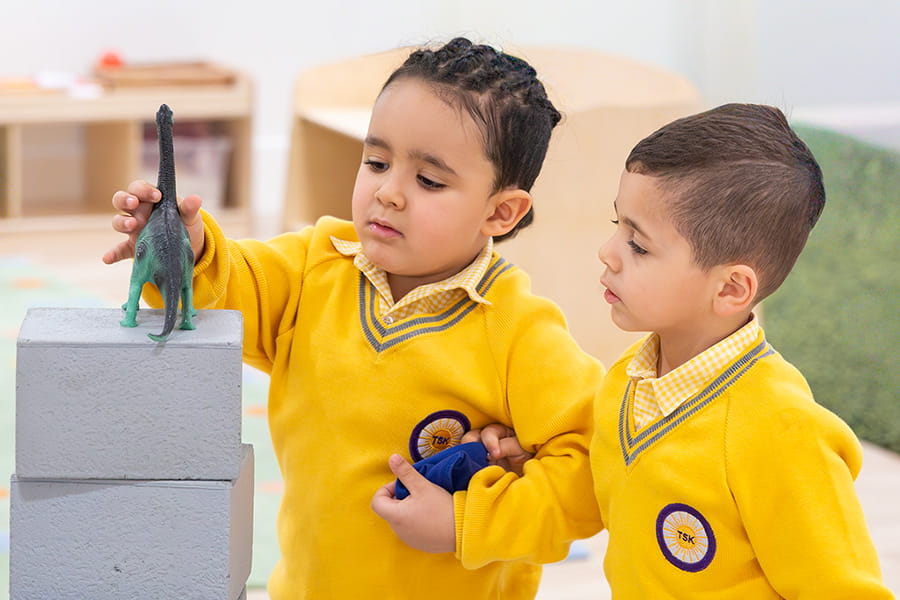
Blog Play-based Learning in Early Years
In essence, play is not just fun; it's fundamental.
News image ![Parent Consultation_1674_x_924]() Blog | Featured
Blog | Featured
 Blog | Featured
 Making the Most of Your Parent Consultation
Parent consultations are an important opportunity for families and teachers to come together, share perspectives and gain a deeper understanding of how a child is learning and developing.
News image ![Screen Time in the Early Years - Screen Time in the Early Years]() Blog | Featured
Blog | Featured
 Blog | Featured
 Screen Time in the Early Years
Screens are part of everyday life, and for many families they can be useful for entertainment, learning, and keeping in touch with others. However, it can sometimes be difficult to know what healthy screen use looks like for young children.
News image ![The Power of a Vision | The Transformation of TSK - The Transformation of TSK]() Blog | Featured
Blog | Featured
 Blog | Featured
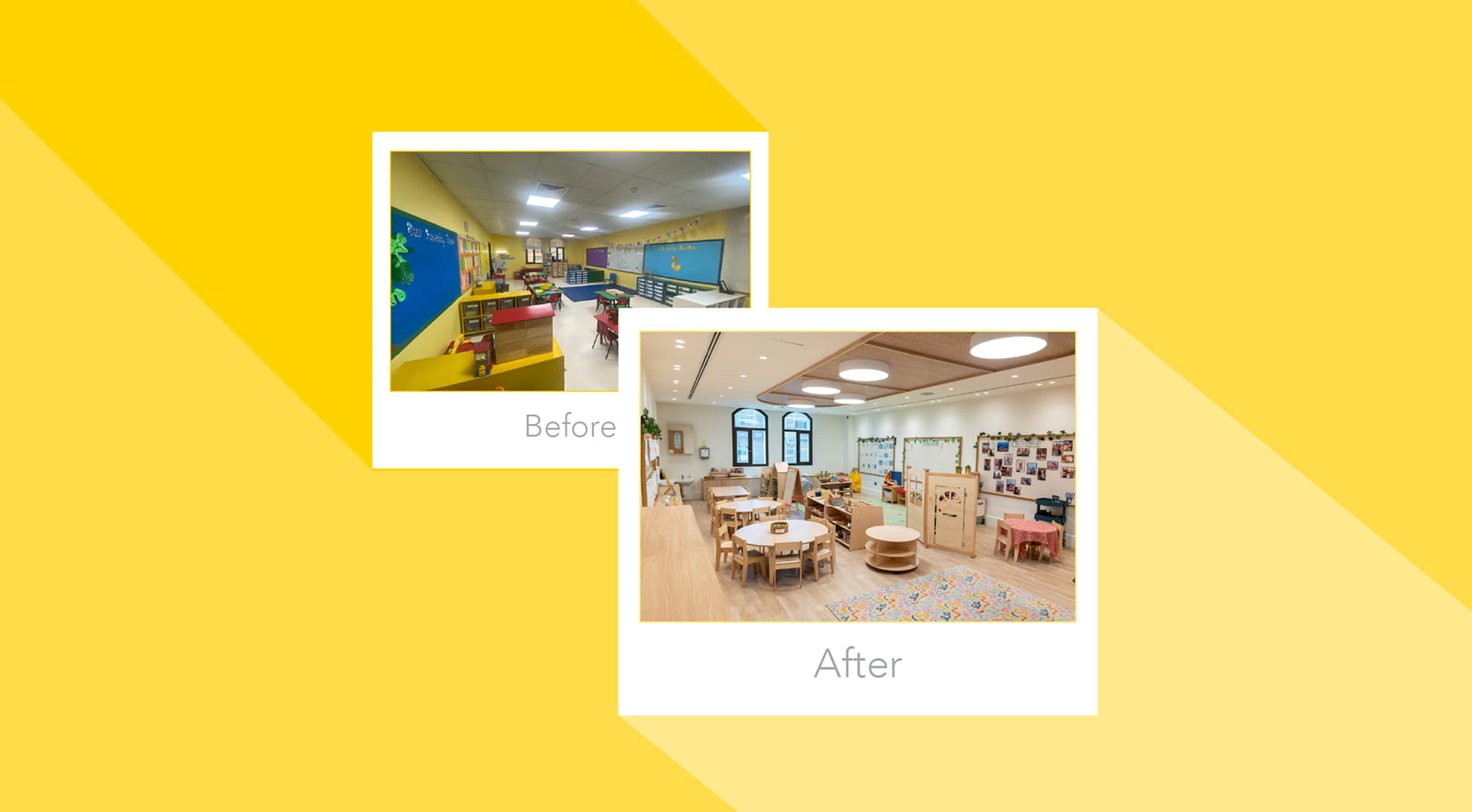
 The Power of a Vision | The Transformation of TSK
Research increasingly demonstrates the importance of the environment itself in the early years and studies have linked the quality and organisation of early childhood spaces with children’s social and emotional development.

